The marriage ended.
Emily kept her name.
For a long time, she startled whenever an unfamiliar car stopped near the house.
She apologized before expressing an opinion.
She kept checking that her phone was charged and within reach.
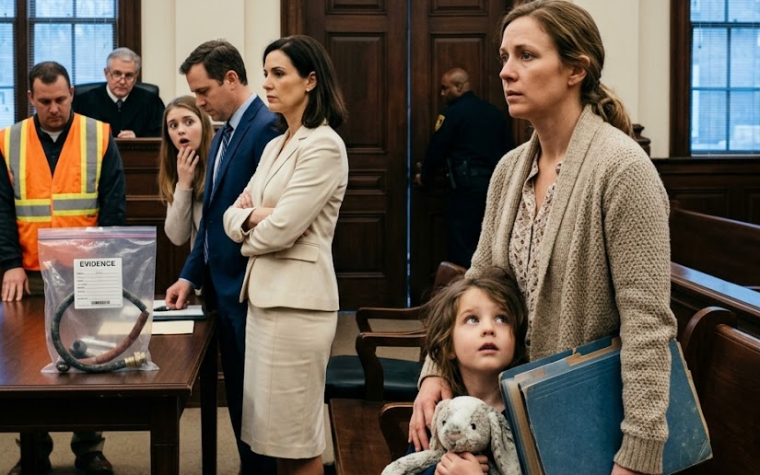
Healing did not arrive with the judge’s decision.
It came in smaller acts.
The first time she attended an appointment alone.
The first night she slept without leaving the hallway light on.
The day she bought a new white dress because she refused to let the torn one become the last image she carried of herself.
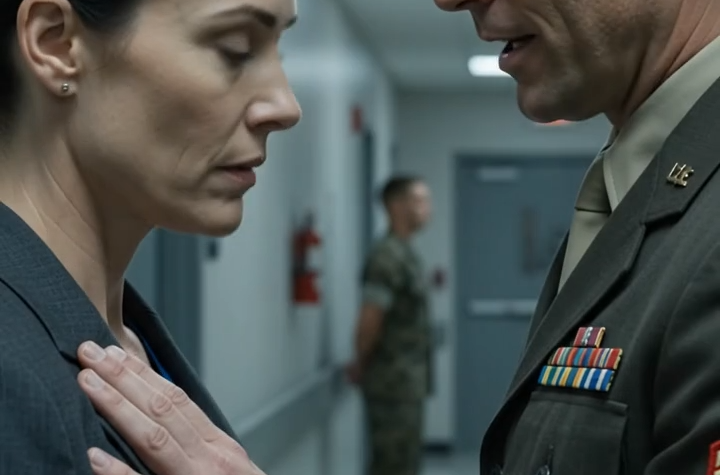
I kept my uniform in its garment bag during most of those months.
The medals had impressed the nurse and irritated the Prescotts, but they were not what saved my daughter.
Emily saved herself when she made the call.
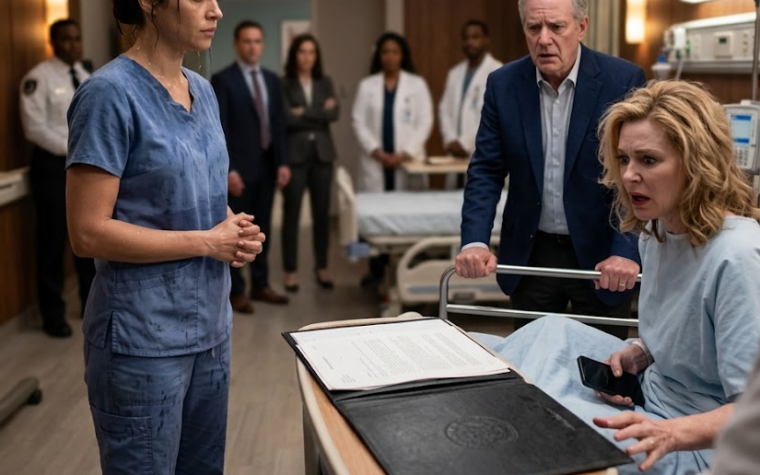
The nurse helped when she listened.
The doctors helped when they documented what they saw.
The officers helped when they treated a powerful family’s denial as a claim to investigate rather than a command to obey.
And I helped by believing my daughter before the people who hurt her had time to rewrite the story.
One evening, nearly a year after the hospital, my phone rang while I was preparing dinner.
Emily was sitting on her apartment balcony.
Her voice sounded steadier than it had in a long time.
“Mom,” she said, “do you want to know what color the sunset is?”
I closed my eyes.
During my deployments, those calls had reminded me that there was still a home waiting beyond every difficult day.
Now I understood that she had been trying to find her way home again.
“Yes,” I said.
“Tell me.”
She described the sky slowly—orange near the rooftops, violet above the trees, and a narrow line of gold disappearing beyond the city.
Then she laughed.
Not nervously.
Not because someone expected her to.
She laughed because she was free to do it.
The Prescotts had believed my silence in that hospital room meant I was afraid of their influence.
They never understood what it meant.
I was listening.
I was documenting.
And I was giving my daughter enough space to use her own voice.