The world did not collapse when I walked out the door.
My relationship with my mother did not heal quickly.
She apologized only after every other argument stopped working.
Even then, her first apology was, “I’m sorry you felt overwhelmed.”
I told her that was not enough.
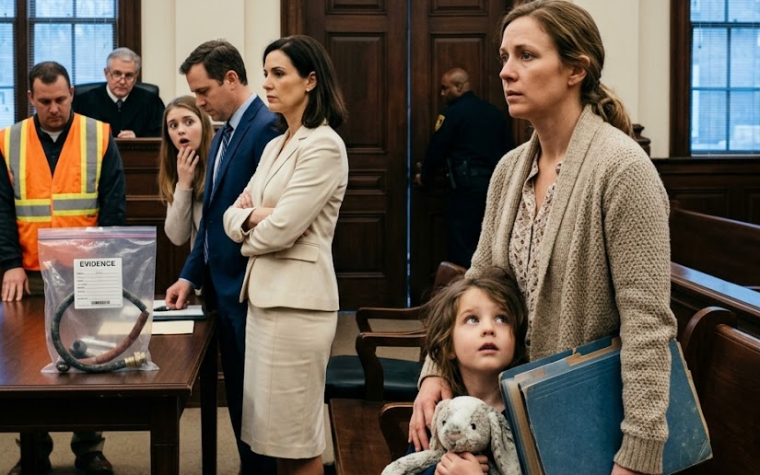
Months later, during a supervised family meeting, she finally said the words without hiding behind my feelings.
“I made you responsible for things that were mine.”
I did not forgive her immediately.
An apology could acknowledge the past.
It could not return the years I had spent waking to someone else’s baby before finishing my own childhood.
But I kept the sentence.
I wrote it on the final page of the black notebook.
Then I closed it.
The notebook remained in the bottom drawer of my desk at my aunt’s house.
I no longer needed it to remember feeding times or medicine doses.
I kept it because it reminded me of the day the truth stopped being private family business.
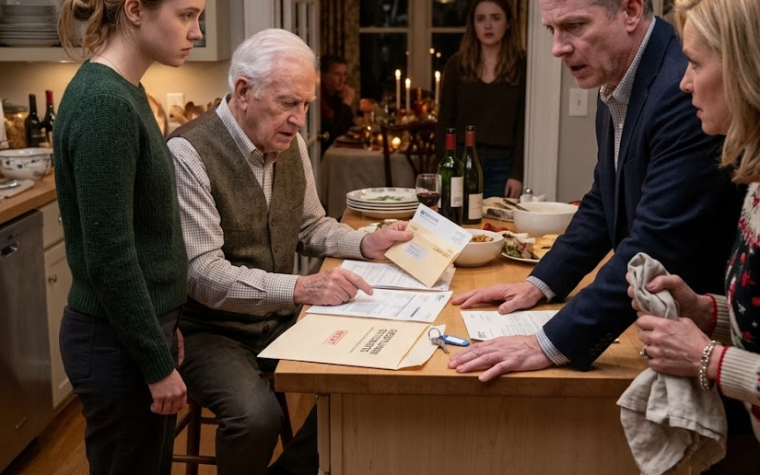
My mother had called the police because she believed authority belonged to her.
She thought being my parent meant she could demand my obedience while giving me her responsibilities.
Instead, the officers arrived and asked the question no one in my family had asked before.
Who had been taking care of me?
For a long time, the answer was no one.
Then my aunt opened her door.
An officer opened my notebook.
I opened my mouth.
And when my mother told me that I did not get to say no, I finally understood that the word belonged to me.
I was still a sister.
I still loved those children.
But I was no longer their mother.
I was sixteen years old, and at last, I was allowed to become a daughter whose life mattered too.