Found missing glasses.
Stayed during storm.
Listened.
The final word appeared more often than any other.
The nephew gave a bitter laugh.
“So he brought her tea.
That doesn’t make him family.”
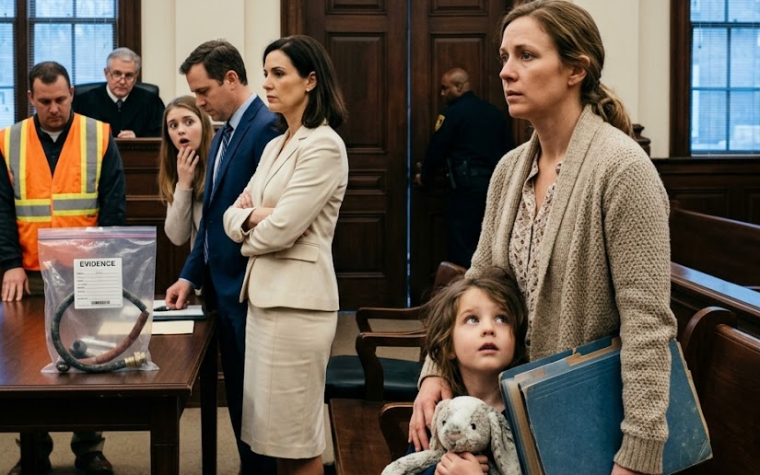
The lawyer looked at him.
“No.
But apparently being family did not make you bring her tea.”
One of the nurses turned away to hide a reaction.
The nephew stepped toward the table.
“I want to see the will.”
“You will,” the lawyer said.
“But first, we are following Gloria’s instructions in the order she specified.”
He removed a sealed envelope from the bag.
My full name was written across the front.
My hands began to shake.
I had expected a photograph, perhaps a goodbye letter.
I had not expected bank records, recordings, or accusations of stolen money.
The lawyer handed me the envelope.
“She asked that you read this aloud if her nephew was present.
You may decline.”
The nephew folded his arms.
“Go on.
Let’s hear how she coached you.”
I broke the seal.
Inside were four handwritten pages.
The first sentence made me stop.
My dear husband, if you are reading this, then you kept your promise and stayed until the end.
My throat tightened.
I looked at the nurses, then continued.
Gloria wrote that the hospital bag had belonged to her mother.
She began carrying it after her nephew obtained power of attorney during an illness several years earlier.
At first, she had trusted him.
He paid a few bills, arranged transportation, and told her not to worry about paperwork.
Then letters stopped reaching her.
Bank statements disappeared.
When she asked about her savings, he claimed that medical expenses had consumed most of it.
Gloria believed him until a bank employee called to confirm a transfer she had never approved.
She confronted her nephew.
He told her she was forgetful and should let younger people make decisions.
Soon afterward, he moved her into the nursing home.
He visited twice during the first month, both times carrying documents for her to sign.
When she refused, he stopped coming.
The old hospital bag became Gloria’s safe.
She kept copies of everything inside it because she believed her room had been searched.
She carried the bag to meals, appointments, and the hospital because it contained the only proof that she was not confused.
The lawyer interrupted gently.
“The original documents are stored securely in my office.
The copies in the bag were what she wanted you to see.”
I continued reading.
Gloria wrote that she had first noticed me because I never asked why she guarded the bag.
Other people joked about it.
Some called it her treasure chest.
A few tried to move it without permission.