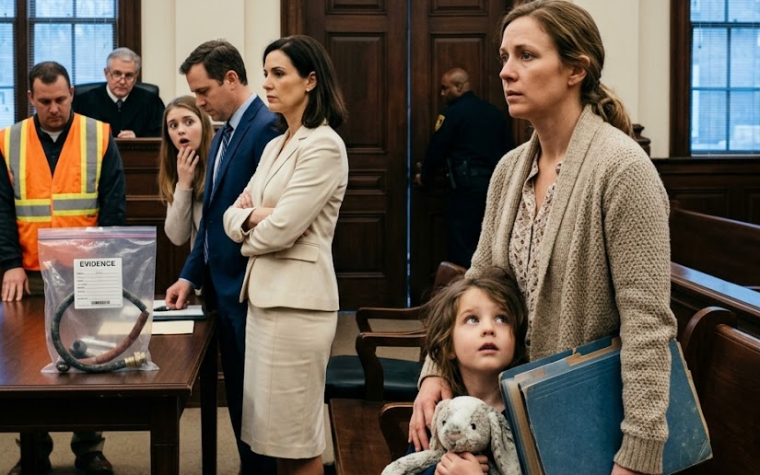
Others were copies.
The copied signatures were nearly perfect, but the handwritten numbers beside them were not mine.
The sevens lacked crossbars.
The fours were closed at the top, the way Nathan wrote them.
Time stamps showed several documents had been modified after I signed unrelated pages.
My archived corrections from six years earlier established the difference between our handwriting.
Old board notes, birthday cards, school forms, and financial drafts all showed the same habits.
Nathan called that evidence trivial.
The auditors called it consistent.
Electronic logs revealed that his executive credentials had accessed the files after midnight.
Drafts had been exported, altered, and reattached to larger document packages.
Several transfers moved money from company reserves into entities disguised as consulting vendors.
Nathan claimed the transfers were part of a confidential acquisition strategy.
No acquisition existed.
He claimed I had approved the structure.
My consent rights required signed originals and direct confirmation.
Neither existed.
He claimed Vanessa had no operational role.
Her messages told a different story.
At first, Vanessa insisted the money represented personal gifts.
Then investigators showed her messages asking Nathan whether “the four had been changed” and whether “Olivia’s release covered the old accounts.”
She blamed Nathan.
Nathan blamed his lawyers.
The lawyers produced drafts showing that the suspicious numbers had been inserted before the files reached them.
Every denial opened another record.
Every attack created another witness.
The man who had threatened to destroy my dignity began destroying his own defense.
Nathan’s board suspended him before the forensic report was complete.
He tried to rally longtime allies, but several directors had signed governance certifications based on the records he altered.
Protecting him now meant risking themselves.
Within two months, he was removed as chief executive.
Whitaker Global did not collapse.
Thousands of employees had built real projects and deserved better than being buried beneath Nathan’s fraud.
His empire collapsed instead—the private mythology that he alone had created the company, that every person around him was replaceable, and that money could convert betrayal into consent.
The company name remained on buildings.
Nathan’s authority did not.
The divorce court eventually rejected the original settlement package.
My ownership interests, voting rights, and consent protections were restored pending final accounting.
Caleb’s trust was moved beyond Nathan’s control.
The Lake Tahoe house and the disputed accounts were included in a transparent division supervised by the court rather than hidden inside Nathan’s rushed offer.
I did not receive a theatrical judgment that made every wound vanish.
Real consequences arrived in slower forms: frozen assets, legal fees, board testimony, depositions, public filings, and the loss of rooms Nathan once entered without asking permission.
Vanessa moved out of the Beverly Hills house before she ever changed a room.
Her promised wedding disappeared with Nathan’s control of the accounts.
She faced her own investigation over the money she received and the messages she sent.
The perfume she wore that morning lingered in my hallway longer than she did.
Nathan never apologized to Caleb during the proceedings.
He referred to him as confused, coached, difficult, and unreliable.
Each word strengthened the record showing why Nathan should have no control over decisions affecting him.
When the custody order was finalized, I received sole decision-making authority.
Any future contact would happen only under conditions designed around Caleb’s safety and comfort, not Nathan’s reputation.
Nathan called that cruel.
The judge reminded him that three days before filing, he had described his son as a burden and offered not to fight for custody.
His own words had survived him.
Months later, Caleb and I sat at the kitchen table in a smaller house far from Beverly Hills.
The counters were not marble.