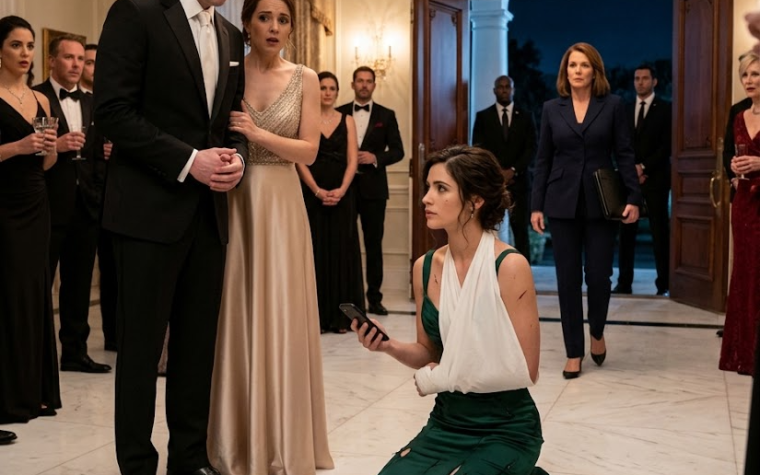
Wren guided me toward a quiet balcony overlooking the city.
“You were magnificent,” she said.
“I was terrified.”
“I know.”
She handed me my glasses, which I had removed to wipe away the moisture gathering behind them.
“Courage looks less dramatic from inside the person doing it,” she said.
Through the glass doors, I could see Dashell speaking with Evelyn and the other directors.
His posture remained straight, but he no longer looked powerful.
He looked exposed.
“Why didn’t you tell me he was your brother?” I asked Wren.
She leaned against the railing.
“After our mother died, Dashell inherited the company role and decided responsibility meant control.
He tried to manage the foundation, my gallery, even the way I grieved.
I left the board’s daily work and stopped attending family events.
I kept my voting rights because our mother wanted both of us to protect the foundation.”
“And you never appeared in photographs.”
“I avoided the ones he commissioned.”
Despite everything, I almost smiled.
Wren looked through the doors at him.
“He was not always like this.
But people can become careless when everyone around them turns cruelty into entertainment.”
The next Monday, I returned to the forty-eighth floor at 7:50 in the morning.
My resignation was already effective, but I needed to collect my belongings.
The executive floor felt unfamiliar without the pressure of having to anticipate Dashell’s needs.
I removed a spare pair of flats, two notebooks, a chipped mug, and a small plant from my desk.
Dashell’s office door opened.
He came out without his jacket.
For once, he was carrying his own coffee.
“May I speak with you?” he asked.
The question mattered because it was a question.
I nodded.
He remained on the other side of my desk rather than calling me into his office.
“The preliminary review confirmed Martin’s statement,” he said.
“The other executives admitted they were present.
Knox resigned before the board could vote on termination.
The company is continuing the investigation because several employees reported similar conduct after your complaint became known.”
I placed the plant into my bag.
“And you?”
“The board removed me from the compensation committee and suspended my annual bonus.
I will remain chief executive during the review, with an independent director overseeing personnel decisions.”
He said it without asking for sympathy.
“I also owe you two years of recognition I cannot recreate,” he continued.
“I reviewed the work records attached to the Callaway transaction.
You caught scheduling conflicts, corrected the distribution list, and prevented an unsigned appendix from delaying closing.
I signed the final file without knowing what you had done.”
“You could have known.”
“Yes.”
“You never asked.”
“No.”
The honesty did not erase the harm, but it prevented him from adding another insult to it.
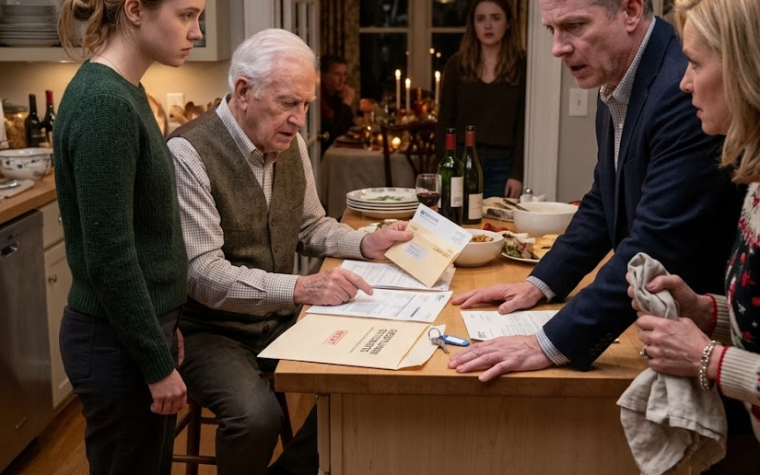
He placed an envelope on my desk.
“This is not severance in exchange for silence.
Legal has confirmed that in writing.
It is the compensation and unused leave you are owed, plus the performance bonus your records show should have been recommended last year.”
I did not touch the envelope until I had read every page.
The amount was fair.