“Maybe I’ll let both of you leave alive.”
Those sentences destroyed the respectable image he had spent years manufacturing.
But Elena refused to let the case become only a story about Victor.
When she was strong enough, she returned to the foundation.
Not as the frightened woman he had tried to erase.
Not as the symbolic victim reporters expected.
As its chair.
Her first meeting was held in the same boardroom where Victor had once persuaded directors that she was too unstable to manage her own organization.
I waited outside.
She had asked me not to enter unless she called.
An hour later, the door opened.
One of the trustees stepped out.
“She’s asking for you.”
I walked inside.
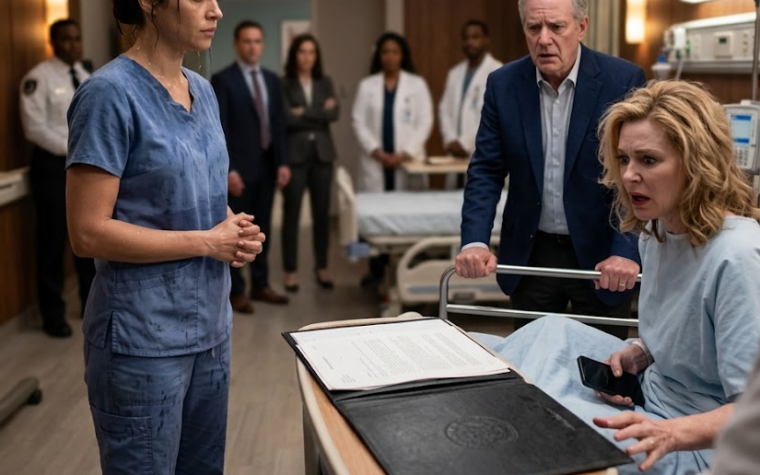
Elena stood at the far end of the table with a stack of reports in front of her.
The room was silent.
For an instant, I remembered the warehouse—the rope, the gag, Victor’s laughter.
Then Elena pushed a document toward me.
“We’re creating an independent protection fund,” she said.
“Emergency housing, legal assistance, financial recovery.
For people being isolated through money.”
I read the first page.
“You designed this?”
“With the trustees.”
I looked up.
She smiled faintly.
“You don’t get to secretly run it.”
I smiled back.
“Wasn’t planning to.”
“You were thinking about it.”
“Maybe a little.”
For the first time in months, she laughed.
Victor eventually faced the consequences he had spent his life believing were for other people.
His corporate position was permanently terminated.
Assets tied to the fraudulent transfers were seized or returned through court proceedings.
Several associates reached cooperation agreements.
Others faced their own charges.
The legal process was slow, procedural, and far less dramatic than the warehouse.
That mattered.
Real accountability was not one heroic moment.
It was records, testimony, hearings, signatures, audits, and people refusing to look away.
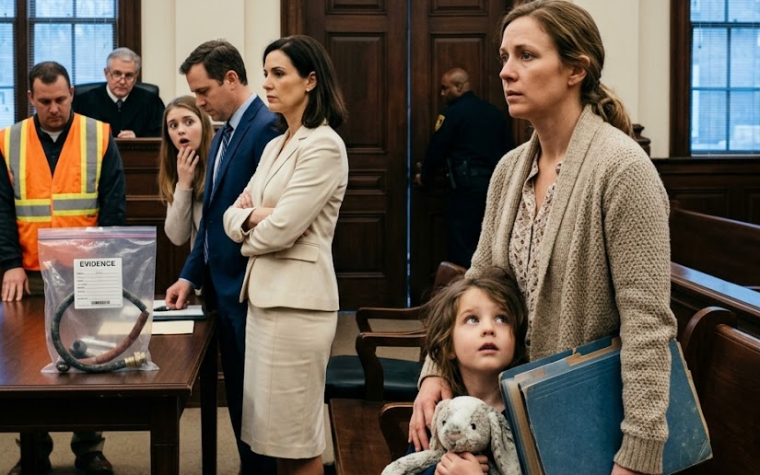
On the day Elena gave her formal victim statement, I sat behind her.
Victor was across the room.
He looked smaller without the guards, the expensive office, and the people who once laughed when he laughed.
He tried to catch Elena’s eye.
She never looked at him.
Afterward, we walked outside together.
Reporters waited beyond the courthouse barriers, but Elena had already decided she would make no statement that day.
Halfway down the steps, she stopped.
“Do you remember what Dad used to say about power?”
I thought about it.
“Which version? He had several.”
She smiled.
“The one about doors.”
Then I remembered.
Our father used to say that weak men believed power meant being able to lock every door.