A magician for the twins’ eighth birthday.
A gaming console for their ninth.
Decorations, food, and equipment for children who received more celebration in one afternoon than Isla had received from them in six years.
At the bottom of a drawer, I found the receipt for Isla’s dental loan payment.
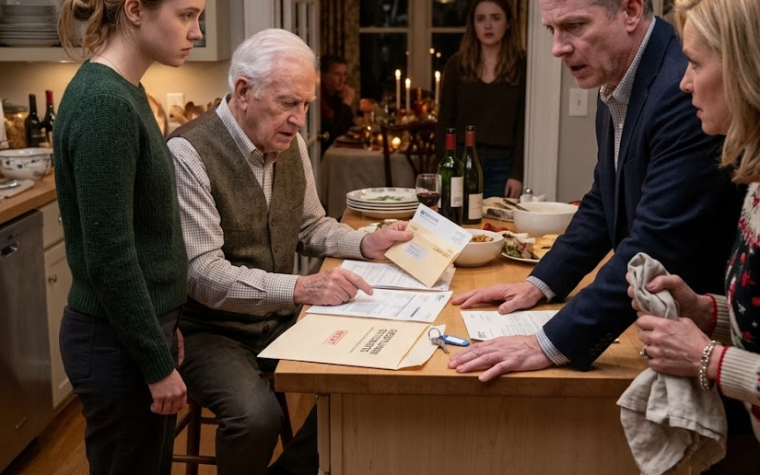
I placed it beside the family statements.
That was the moment the whole arrangement became visible.
I had borrowed money for my daughter’s treatment while my savings financed my nephews’ parties.
The next morning, Patricia called again.
The review showed that the failed resort charge had been attempted with a card issued to Hannah as an authorized user.
After it was declined, a transfer request had been initiated through an access profile linked to my mother.
Neither woman had legal authority to reverse my restrictions.
My father had then called the bank and described all three of them as equal owners.
Patricia did not dramatize the facts.
She did not need to.
“The fraud claim against you is being closed,” she said.
“The unauthorized transaction review will remain on file.
We are permanently removing the other users from the cards and vacation account.”
“Will they be charged with anything?”
“At this stage, the transactions were blocked, so no funds were taken after your authorization was withdrawn.
The bank will preserve the records and may restrict their access to future products.
Any further action would depend on additional attempts or false representations.”
It was not a theatrical arrest or a courtroom confession.
It was something more believable and, to my family, more frightening.
The free access was over.
The bank issued new card numbers and transferred the verified balance into an account only I could access.
Contributions that could be traced to another family member were separated and returned to their original sources.
My parents received less than they had apparently expected.
Hannah received almost nothing because she had contributed almost nothing.
For the first time, the numbers could not be softened by guilt or disguised as family generosity.
Two days later, my parents and Hannah arrived at my house without warning.
Isla was at school.
Karen was in her front yard across the street and saw them walk up the driveway.
My father knocked hard enough to shake the frame.
When I opened the door, Hannah pushed past him, holding the two-dollar birthday card.
“You think this is funny?” she asked.
“No.”
She threw the card onto my entry table.
The two bills slid onto the floor.
“The boys cried when we told them the trip was canceled.”
“I’m sorry they were disappointed.”
“You did this to punish them.”
“I stopped paying for a vacation I never agreed to fund.”
My mother stepped forward with her hands clasped as though she were the reasonable one.
“Elena, we all said things we regret.
Let’s calm down, call the bank, and restore the accounts.”
There it was.
Not an apology for reporting me.
Not concern that I might have lost my job, damaged my credit, or faced a criminal investigation.
Just a request to restore access.
“You reported me for fraud,” I said.
My father’s jaw tightened.
“We reported suspicious activity.
You suddenly locked family money without discussing it.”
“It wasn’t family money.”
“We all used it.”
“That is not the same as owning it.”