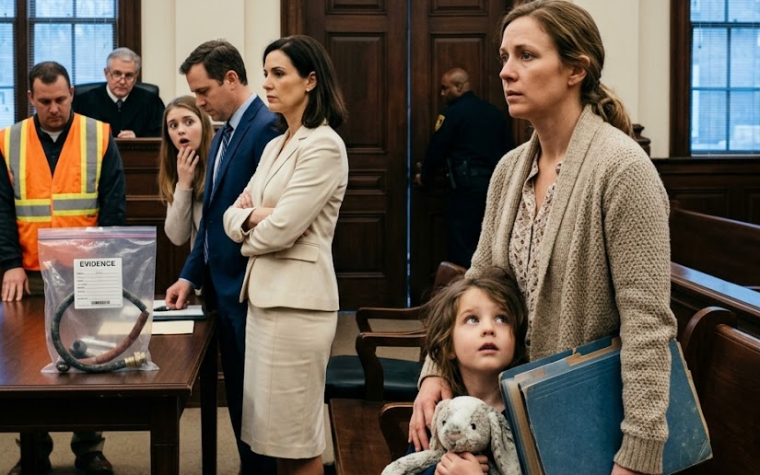
“I should have stood up when Lily asked whether you forgot her.”
Carol’s expression hardened.
“So now you’re choosing him over me?”
“I’m choosing the trust agreement over you.”
Uncle Robert nodded.
Together, they voted to suspend Carol’s administrative authority pending an independent review.
The outside attorney was appointed temporary administrator.
Carol retained her beneficial interest, but she lost access to project accounts, lender communications, and unilateral spending authority.
Then the invoices arrived.
The review found no dramatic theft and no secret offshore fortune.
Reality was smaller and more believable.
Carol had directed consulting fees to a firm owned by a close friend, approved expensive design changes without proper trustee votes, and charged personal travel to project development accounts by describing it as investor outreach.
Some expenses could be repaid.
Others required amended filings and lender approval.
The project survived, but it changed.
The luxury high-rise was reduced in scale.
Preservation requirements were strengthened.
Independent oversight became permanent.
Carol was required to reimburse the trust for unsupported personal expenses and resign as administrator.
She did not lose everything.
She lost the throne she had built from everyone else’s silence.
Three days after Easter, my mother came to our house carrying two grocery bags and no excuses.
She sat beside Ethan and Lily at the kitchen table.
“I failed you,” she told them.
“I heard something cruel, and I stayed quiet because I was afraid of making Carol angry.
That was wrong.”
Lily asked, “Are we really family?”
My mother began to cry.
“You are my grandchildren.
Nothing Carol says can change that.”
Ethan did not hug her immediately.
I was proud of him for that.
Forgiveness should not be demanded from a child simply because an adult finally apologizes.
But before she left, he handed her one of the Easter eggs he and Lily had painted.
It was a beginning, not a clean ending.
My father apologized next.
Then Uncle Robert.
Several cousins called Marianne and admitted they had known Carol’s attitude was cruel but had been afraid to challenge the person who managed their distributions.
Marianne listened without rescuing them from their discomfort.
Carol sent the children two envelopes by certified mail.
Each contained one thousand dollars and a typed apology that blamed stress, misunderstanding, and poor wording.
We returned the money.
Ethan asked us to keep the letters, not because he accepted them, but because he wanted a record of what adults sometimes said when they were sorry about consequences rather than choices.
Months later, the family gathered for my father’s birthday at a small restaurant.
Carol did not attend.
She had stopped calling after the independent review concluded, though she sent occasional messages through my mother about reconciliation.
We did not forbid it forever.
We simply refused to pretend trust could be restored on her schedule.
At dinner, Lily climbed into the chair beside my father and showed him a drawing of our family.
Marianne stood in the center.
Ethan and Lily were on either side of her.
I was drawn taller than everyone else for reasons only Lily understood.
My father studied the picture.
“Where should I go?” he asked.
Lily pointed to an empty space beside her.
“You can be here,” she said.