The title company refused to proceed with the transfer.
The lender connected to the proposed purchase would not fund a transaction whose seller lacked authority.
The disputed deposit remained tied up while the transaction was unwound.
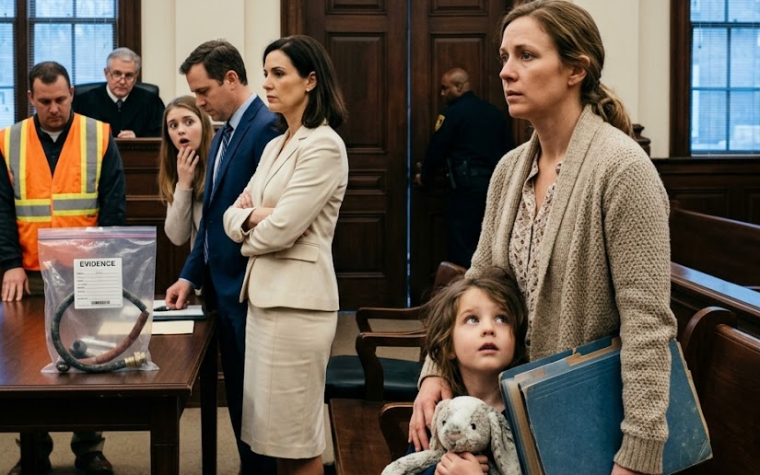
Mercer preserved the documents and referred the questionable power of attorney, witness certification, and transaction records for formal review.
There was no magical courtroom scene where a judge slammed a gavel and declared me victorious before lunch.
Real consequences arrived as letters, canceled appointments, requests for records, sworn statements, and people discovering that signatures mattered after all.
Dad gave his statement.
He admitted that he had signed the witness line without seeing Grandma sign anything.
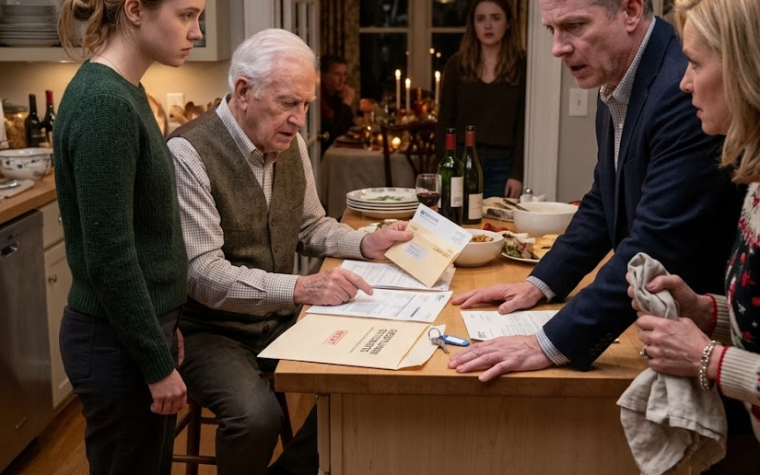
He admitted Mom had placed the document in front of him after Grandma’s death.
He also admitted he knew the paperwork was connected somehow to selling the house, although he claimed he had not understood the trust or Brandon’s buyer arrangement.
I believed parts of him.
That did not erase what he had done.
Mom denied forging Grandma’s name herself.
She insisted the paperwork had been handled as part of a legitimate family plan.
But she could not produce valid authority from the trust, valid consent from me, or a living grandmother who had signed a document dated after her death.
Brandon’s explanation changed twice.
First he called the buyer connection an investment.
Then he said the company arrangement had been Mom’s idea.
Then, when Mercer produced the record showing the deposit originated from his account, he said everybody had known he was helping with the purchase.
I had not known.
Dad claimed he had not known.
And Grandma was dead.
That left a remarkably small definition of everybody.
The vacation disappeared quietly.
Brandon stopped sending resort screenshots.
The reservation he had once treated like an entitlement became another expense he had to deal with himself.
Mom never offered me a small portion of my own inheritance again.
She did call once, several weeks later.
“You got what you wanted,” she said.
I was standing in Grandma’s kitchen scraping old paint from a cabinet hinge.
“No,” I replied.
“I kept what Grandma wanted me to have.”
“You chose a house over your family.”
I looked around the room where Grandma had waited with cocoa when Mom forgot school events, where she had taught me to preserve pressed flowers, where she had quietly built protections into legal documents because she understood exactly how love could be used as leverage.
“You tried to make me choose,” I said.
“That’s different.”
Mom was quiet.
Then she said the sentence I think she had been carrying for years.
“Brandon needs more help than you do.”
There it was.
The entire family system reduced to seven words.
I had a career, so I could lose things.
I had savings, so mine could be taken.
I stayed calm, so my pain counted less.
Brandon struggled loudly, so everybody else was expected to finance the noise.
I put the scraper down.
“Needing help does not give him ownership of me.”
She hung up.
Months later, the house was still standing beneath the live oaks.
The red contract notice was gone from the window.
The unauthorized sale was dead.
The trust remained in place, and the property stayed protected for me exactly as Grandma had intended.
I restored the pale blue shutters instead of replacing them.
I repaired the creaking third stair but left enough of its old voice that I could still recognize it beneath my feet.
In the sewing room, I cleaned Grandma’s desk and put her letter inside an archival sleeve.
Then I framed the photograph from the mantel.