She refused a larger apartment because she liked her neighbors and said her plants knew the windows.
The nine thousand dollars remained a problem.
Every time I returned the envelope, she slipped it back into my bag.
Finally, I opened a savings account in her name, deposited the money, and added enough to cover every prescription and household expense for years.
I gave her the account documents without announcing the balance.
She read the first page, looked at me over her glasses, and said, “You are becoming very difficult.”
“So are you.”
She laughed, and for the first time since the ticket matched, I felt the money become something other than a threat.
Months later, after the claim was complete and the first wave of legal work ended, Aunt Ellen invited me to dinner.
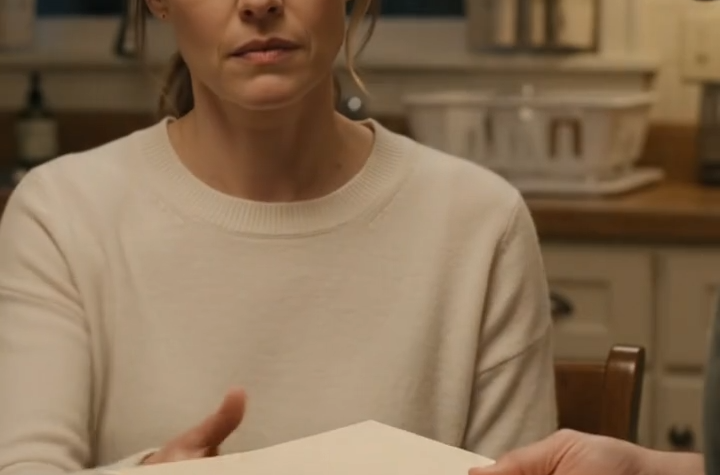
We ate soup at her tiny kitchen table while rain touched the same crowded windows.
Her new-to-her car was parked outside.
Her insulin was lined up properly in the refrigerator.
The white envelope sat on a shelf between two old novels.
“You kept it?” I asked.
“Of course.”
“Why?”
“To remember the day you finally learned the difference between being needed and being loved.”
I looked down at my bowl.
“That was an expensive lesson.”
“No,” she said.
“The lottery ticket was expensive.
The lesson cost nine thousand dollars, and I got every cent back.”
I smiled.
My relationship with the rest of the family did not disappear, but it changed shape.
My father stopped giving me financial lectures.
My mother learned that tears no longer ended conversations.
Natalie began repaying her wedding debt in small monthly amounts, even though I had told her the pace could be modest.
Brandon stayed angry until anger stopped producing results.
Then he became quiet.
None of them received the life-changing gifts I had once planned.
That was not revenge.
It was recognition.
Money had not made me powerful enough to punish them.
It had made me secure enough to stop rewarding the way they treated me.
Aunt Ellen had been right to say I should not have tested them.
Love should not require traps.
But Diane had also been right.
The money did not change anyone at that restaurant.
It simply removed the masks.
And when every mask was gone, the person with the smallest apartment, the oldest car, and the least money was the only one who had arrived rich.