To me.
Mom had heard the difference.
She could no longer unhear it.
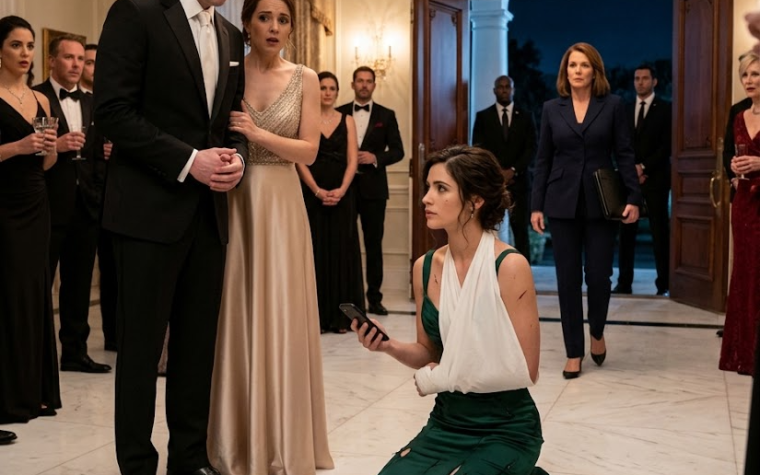
Because I had been seriously injured, the recording had been preserved with the rest of the evidence about what happened.
My parents did not hide it.
Dad said that plainly, with a strange emphasis, as if he were confessing to all the times they had hidden smaller things by pretending they did not matter.
Natalie was staying away from the house while the consequences of the assault were being handled.
Dad did not give me every detail that morning.
I was exhausted, medicated, and still struggling to understand that several days of my life had vanished.
But he told me one thing clearly.
“You will not be asked to protect her.”
I stared at him.
It might have been the first promise he had ever made me that required something from Natalie instead of from me.
Recovery was slower than waking up.
Television makes comas look like long naps.
Mine left me weak enough that sitting upright felt like work.
My neck was stitched and bandaged where the glass had cut me.
My back bruised dark beneath the hospital gown.
My legs trembled the first time I stood.
Mom tried to help me constantly.
At first, I hated it.
Every glass of water felt like an apology I had not agreed to accept.
Every adjusted pillow reminded me that she had known Natalie could be cruel long before the glass broke.
One afternoon, after she asked for the fourth time whether I needed anything, I said, “You can stop acting like being nice for a week fixes it.”
Her face went still.
The old version of my mother might have defended herself.
She might have said she had done her best.
She might have reminded me that parenting was difficult or Natalie was complicated.
Instead she nodded.
“You’re right.”
I had no answer prepared for that.
She sat beside the bed but did not touch me.
“I kept thinking keeping Natalie calm was the same as keeping the family peaceful,” she said.
“It wasn’t.
It just meant you paid for the peace.”
That sentence stayed with me.
You paid for the peace.
Yes.
I had paid in surrendered clothes, swallowed insults, abandoned arguments, quiet dinners, closed doors, and finally blood.
Dad’s apology came differently.
He brought my sketchbook from home.
The old one.
The one I had used on the back stairs when I was twelve.
He found it while cleaning my room before I came home.
Between drawings were little notes I had forgotten writing: Natalie took my headphones.
Mom said ignore her.
Dad said stop fighting.
Natalie broke the blue mug.
Natalie said nobody wanted me there.
Nothing dramatic on its own.
A childhood written in margins.
Dad placed the sketchbook on my blanket.
“I should have listened before I needed a video.”
That was the apology I believed.
Not because it erased anything.
Because it named the thing he had actually done.