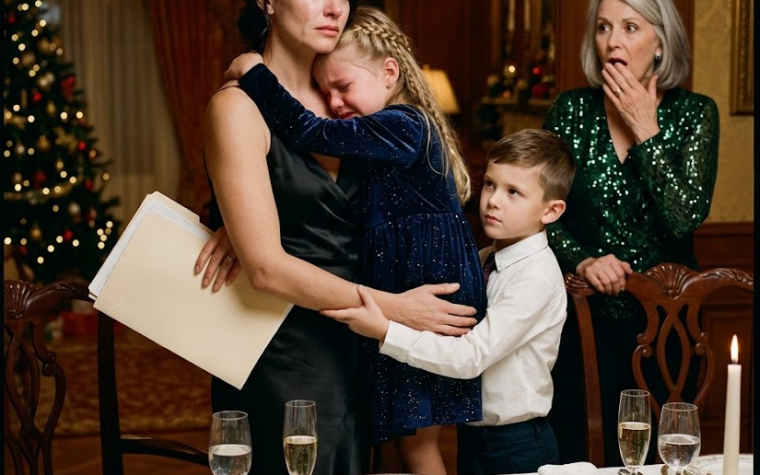
She would sleep there for one final night because her transfer couldn’t happen until morning.
I did not offer my bedroom again.
Nobody argued.
Before dinner, my mother asked if she could speak to me alone.
I almost said no.
Then I remembered how many years I had spent imagining a final conversation in which I finally controlled whether the door stayed open.
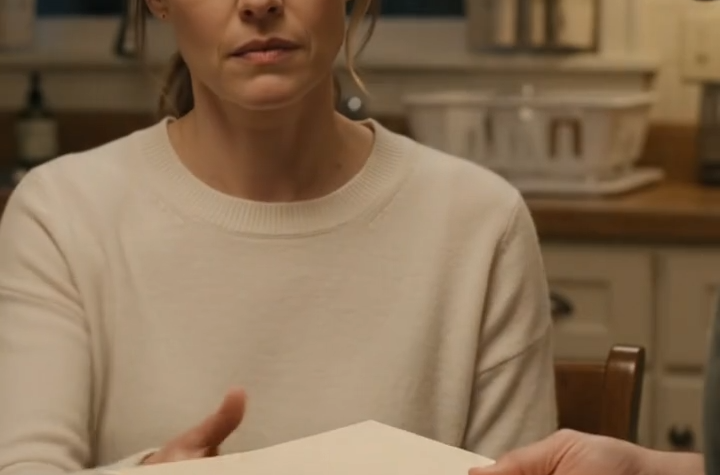
So I sat across from her at the kitchen table.
The vegetables I had brought that morning were spread between us.
She touched the ring on her finger.
“You recognized this.”
“Immediately.”
“Your grandmother gave it to me.”
“I know.”
She nodded.
For a while, neither of us spoke.
Then she said, “I thought being your mother meant I was entitled to you forever.”
I felt my chest tighten.
“You acted like it.”
“I know.”
“You didn’t listen when I asked for space.”
“I know.”
“You made every boundary sound cruel.”
Her eyes filled, but she didn’t look away.
“I know.”
I waited for the explanation.
None came.
That was the closest thing to an apology I trusted.
She didn’t ask me to forgive her.
I was grateful for that.
She only said, “I should never have come here without your permission.”
“No.
You shouldn’t have.”
“And if you don’t want to see me after tomorrow, I will respect it.”
I studied her face.
“You said that before.”
She flinched.
“Then judge me by what I do next.”
That, at least, was fair.
The next morning, she left.
No dramatic embrace.
No miraculous reconciliation.
My son hugged her.
My husband carried her bag downstairs.
I stood beside the doorway while she put on the low-heeled shoes that had stopped me cold less than twenty-four hours earlier.
Before stepping into the hall, she looked back at me.
Her hand rested against the frame.
The ring caught the light one final time.
“Goodbye, Clara.”
I nodded.
“Goodbye.”
She left.
And this time, the door closed because I chose to close it.
Later that day, my husband sat with me at the kitchen table.
He didn’t ask whether I had forgiven him.
He said, “I broke your trust.
Tell me what rebuilding it looks like.”