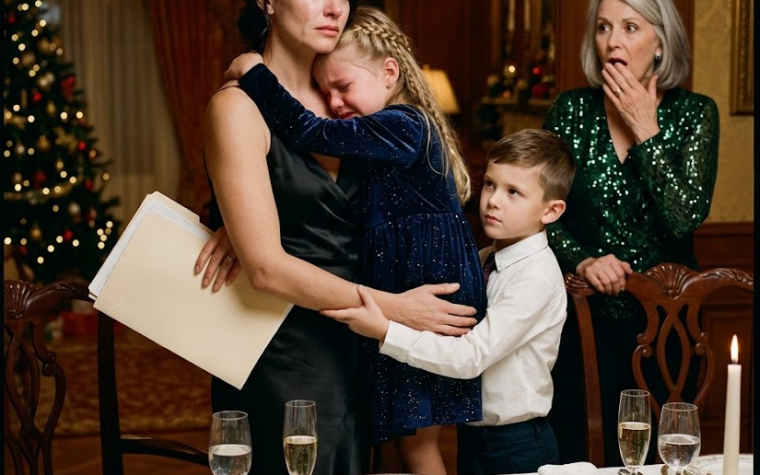
“That impossible man.”
Her voice broke on the last word.
She cried into her palms.
I sat beside her.
“I thought you sent the text.”
She looked up sharply.
“What text?”
I showed her.
Her face changed.
“I never wrote that.”
“I know.”
“I didn’t even have my phone for part of the service.
I left it in the funeral car.”
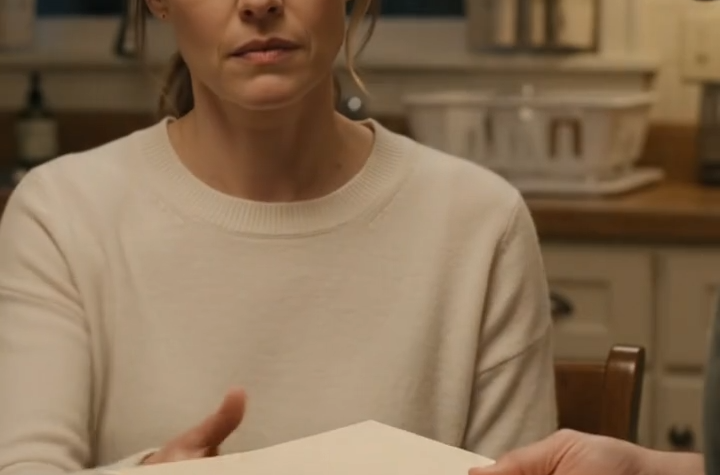
The agent across from us nodded.
That detail mattered.
Whoever had targeted us had not needed to steal the phone permanently.
They only needed enough access to imitate it.
The messages, combined with signals investigators had been tracing, gave the FBI what it needed to move faster.
While we remained away from the house, agents secured the property and intercepted people attempting to reach Raymond’s study after dark.
The bureau did not tell me every detail that night.
They could not.
But by morning, the threat that had made Unit 17 necessary was no longer invisible.
Searches were underway.
Devices were being seized.
Records Raymond had preserved were being compared with the evidence in the storage unit.
Over the following weeks, the investigation spread across multiple fraudulent property transfers and accounts created with stolen identities.
The documents my father had saved helped connect pieces that had looked unrelated for years.
His disappearance had done what he intended.
It forced the people watching him to move.
And when they moved, the FBI saw them.
Raymond remained hidden while the case developed.
That was the hardest part.
Knowing he was alive did not mean I could drive somewhere and see him.
Knowing the coffin had been empty did not erase the memory of lowering it into the ground.
For six weeks, my father existed as a voice on secured calls.
The first time we spoke, neither of us knew what to say.
Finally, I asked the only question that had mattered since the cemetery.
“How could you let us believe you were dead?”
He was quiet for a long time.
“Because they were listening to the people I loved.”
“That isn’t an answer.”
“It’s the only one I have.”
“You could have trusted me.”
“I did trust you.”
“No.
You used me.”
Another silence.
Then my father said, “Yes.”
The admission took some of the fight out of me.
He did not defend himself.
He did not tell me I should be grateful.
He did not pretend the result erased the damage.
“I used your grief because I believed it would keep you alive,” he said.
“You may never forgive that.”
I sat at my kitchen table, staring at the chair where he had eaten dinner a hundred times.
“You scared my children.”