“Do not mistake me leaving quietly for me not understanding what you’ve done.
I know about Sienna.
I know about the hotels.
I know how long you’ve been lying.”
Then the sentence I would remember longer than anything else she said:
“I’m not leaving because I stopped loving you.
I’m leaving because I have a daughter to teach what love is supposed to look like.”
That was the last message.
I didn’t call Emily.
Not because I suddenly became noble, but because there was nothing noble left to perform.
For months, every decision I’d made had been based on the assumption that I could manage the consequences later.
I could explain the late nights.
Delete a message.
Change a reservation.
Shower before coming home.
Smile at breakfast.
Kiss Emily’s forehead and ask how Harper was kicking.
I had treated truth like a problem of timing.
If Emily didn’t know today, I told myself, then today was still mine.
But Emily had known for three months.
Later, through her lawyer, I learned just how little I had actually hidden.
She had noticed the unfamiliar perfume first.
Then hotel charges I had explained away as client meetings.
Then the evenings when I came home already showered.
Then the strange protectiveness around my phone.
She hadn’t needed a detective or an elaborate trap.
She had simply watched the man she had lived beside for six years become someone who lied badly and often.
The night of our anniversary was not when she discovered the affair.
It was when she stopped giving me opportunities to tell the truth myself.
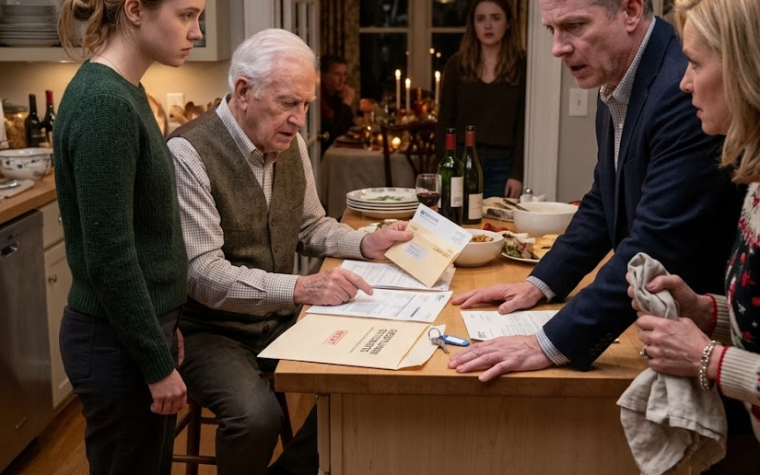
The separation documents arrived two days later.
I read every page.
Then I read them again.
Emily wasn’t trying to destroy me financially.
There was no theatrical demand, no revenge buried in the paperwork.
She wanted distance, predictable support during the pregnancy, and communication about Harper handled in a way that did not require her to depend on my promises.
That hurt in a particular way.
She no longer considered my word useful.
I signed the temporary arrangements without fighting them.
Sienna called the same afternoon.
I stared at her name until the phone stopped ringing.
She tried once more.
I blocked the number.
Doing that did not make me faithful.
It did not erase the hotel room.
It did not transform the past three months into a mistake instead of a series of choices.
It simply ended one more lie.
For the next several weeks, my marriage existed through formal messages.
Medical update: stable.
Appointment completed.
Harper developing normally.
Emily requesting no direct contact.
Each update was brutally efficient.
I wanted details.
I wanted to know whether Harper kicked at night, whether Emily was sleeping, whether she still craved the lemon ice she had wanted earlier in the pregnancy.
But wanting access to the life I had endangered did not entitle me to it.
So I answered what required an answer.