More importantly, charity applications were assigned real follow-up contacts instead of disappearing into vague instructions on discharge paperwork.
Mrs.
Alvarez’s account was reviewed.
The assistance she had been promised was finally applied correctly.
When Maya received confirmation, she sat alone in the break room for several minutes staring at the page.
That mattered more to her than what happened at the gala.
Daniel found her there near dawn.
He had just finished rounds.
He stood in the doorway holding two terrible vending-machine coffees.
Maya looked at him.
“You hesitated.”
He knew exactly what she meant.
“Yes.”
“In the lobby.”
“Yes.”
She waited.
He did not defend himself.
“I spent years learning how to avoid setting him off,” Daniel said.
“And I made you pay for that habit.”
Maya looked down at her coffee.
“I needed you beside me before the envelope.”
“I know.”
He sat across from her but did not reach for her hand.
That restraint was the first useful thing he did in the conversation.
“I can’t fix that by making one speech in a ballroom,” he said.
“No.”
“But I can stop asking you to accept it.”
Maya studied him for a long moment.
Their engagement survived the gala, but not unchanged.
Daniel began setting boundaries with his parents that he should have set earlier.
Maya stopped smoothing over insults to protect everyone else from discomfort.
Richard did not apologize quickly.
Men accustomed to being deferred to rarely discover humility on schedule.
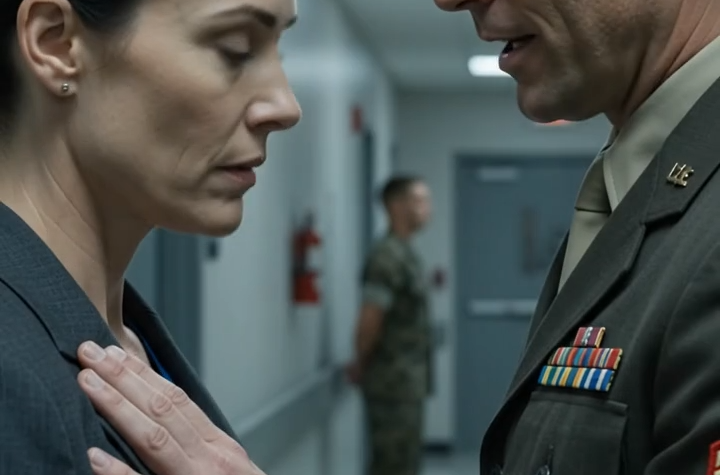
Months later, after the independent review had forced changes throughout the hospital, Maya encountered him in a corridor near the surgical elevators.
For once, he had no audience.
He stopped.
So did she.
“I was wrong about you,” he said.
Maya considered the sentence.
“You were wrong about a lot of people,” she replied.
Richard’s eyes shifted toward the ER hallway.
Maya continued walking.
She did not need him to call her brilliant.
She did not need her name engraved on a wall.
She knew exactly what her job was worth.
At night, when the automatic doors opened and frightened families came through before they had the words to explain what was wrong, Maya was still one of the first people they saw.
Most would forget her name by morning.
That was fine.
Some jobs were invisible until they saved somebody.
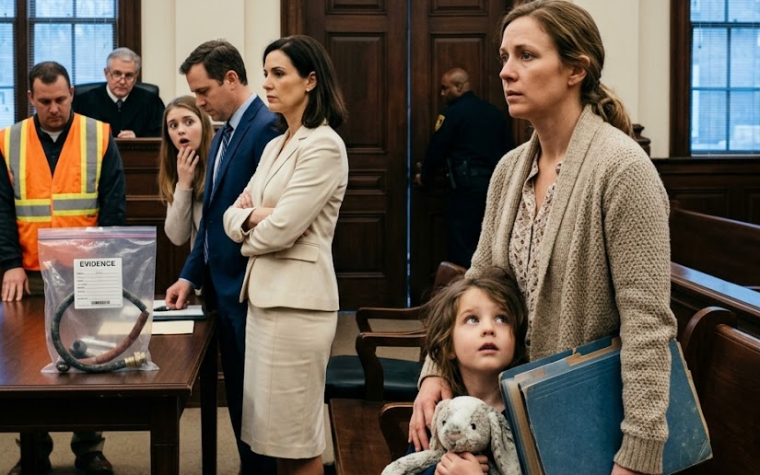
And some people remained invisible only until they decided to place the evidence on the podium.