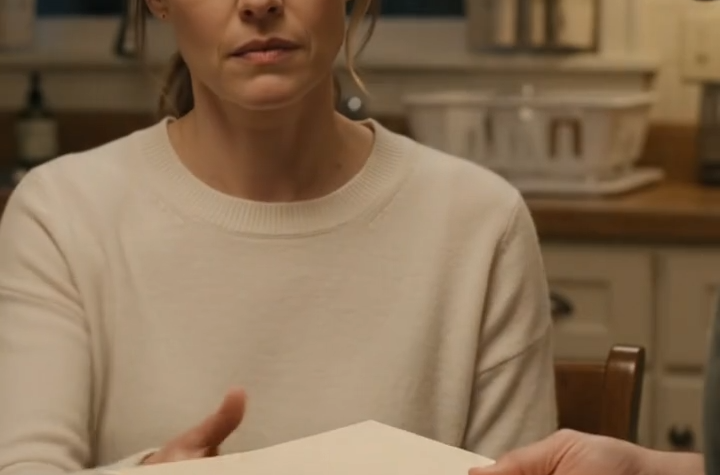
“It sounded exactly like what you meant,” Mom said.
He looked at her, shocked.
She lowered her eyes but did not take it back.
I closed the folder.
“I’m going to make this simple.
Mom, send medical bills directly to me if you genuinely need help.
I’ll decide what I can contribute.
Dad, your truck is paid off, and the property taxes are yours from now on.
Jason, you have no access to my accounts.
Nobody gets a card, password, automatic transfer, or standing permission anymore.”
Dad stared at me.
“And the Rolex?”
It was such a ridiculous question that even Jason looked embarrassed.
“The Rolex is being returned.”
His face tightened.
“You’d really return my retirement gift?”
“You told me to keep it.”
“I was angry.”
“So was I.
I still managed not to call you a disappointment in front of fifty people.”
My aunt looked down, hiding a smile.
Dad sat back in his chair.
For the first time in my life, I watched him encounter a boundary he could not shout through.
The next few weeks were uncomfortable.
Jason arranged a payment plan with the mechanic.
Apparently that option had existed all along.
Dad handled the property-tax installment himself.
He complained to Mom, Mom complained once to me, and I reminded her that their retirement planning had never included my salary as a guaranteed income stream.
She admitted I was right.
Not immediately.
Not gracefully.
But she admitted it.
I continued helping with two of her medical expenses because I wanted to, not because she had access to take the money herself.
That distinction changed everything.
She started asking instead of informing me.
Sometimes I said yes.
Twice I said no.
The world did not end.
Jason became distant for a while.
Then, three months later, he sent me a transfer for part of an old expense.
The note said simply: FIRST PAYMENT.
I stared at it for a long time.
It wasn’t enough to erase years of entitlement, but it was the first time he had treated what I gave him as money that had actually belonged to another person.
Dad took longer.
We barely spoke for six weeks.
Then one Sunday afternoon, he called.
There was no emergency.
No bill.
No request.
He said, “Your mother says I should apologize.”
I waited.
He cleared his throat.
“I shouldn’t have said what I said at the party.”
It was not the apology I had spent my childhood imagining.
There was no grand admission that he had favored Jason.
No sudden understanding of every small wound.